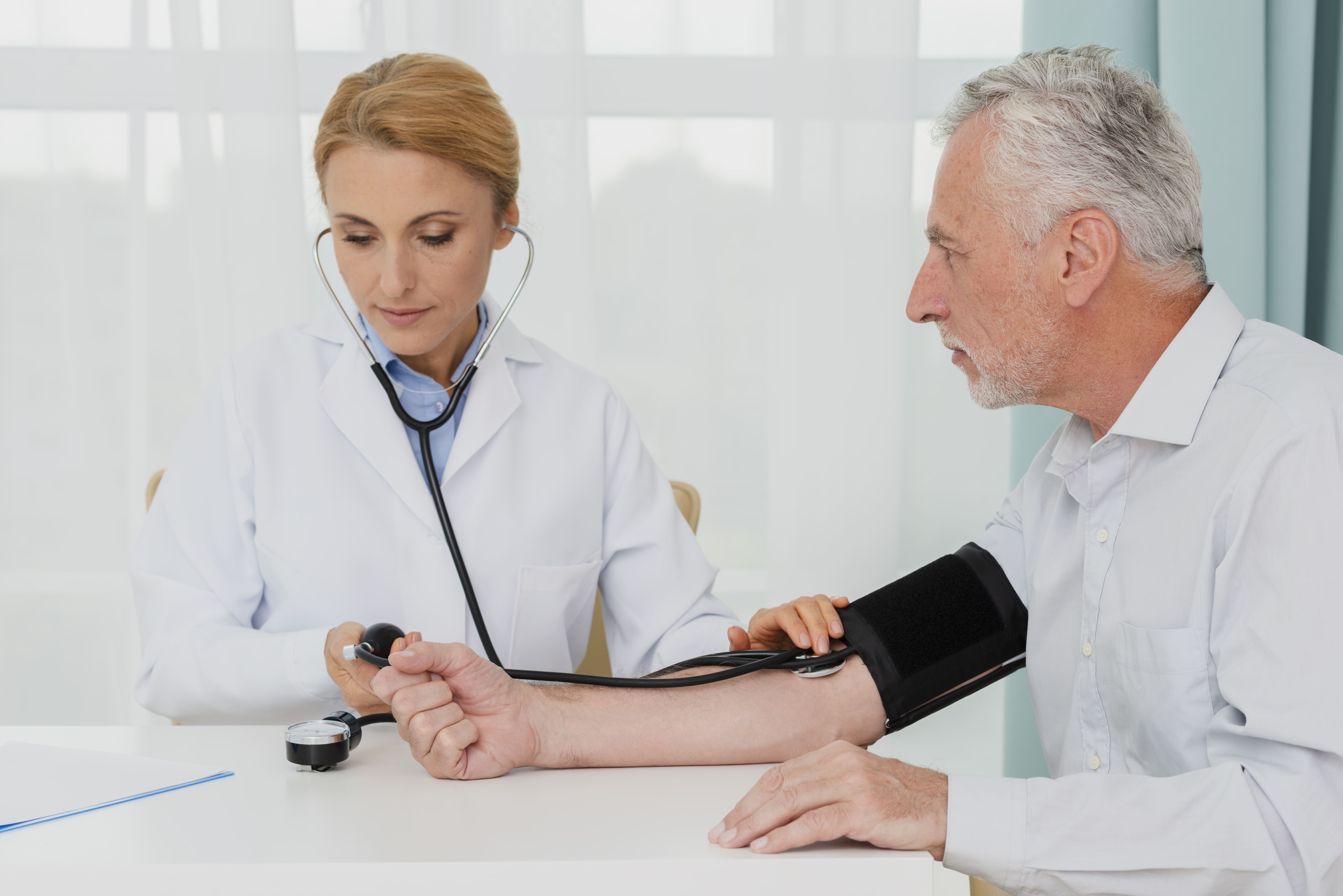
Acute stroke management
AEDNaN
(Estimated Price)
What is Acute Stroke Management? Acute Stroke Management is a high-priority, emergency medical intervention focused on stopping a stroke in its tracks and minimizing damage to the brain. A stroke occurs when the blood supply to part of your brain is interrupted or reduced, depriving brain tissue of oxygen and nutrients. In this critical journey, every second counts. Management involves rapid diagnostic imaging—such as specialized CT or MRI scans—to determine the type of stroke. If it is an ischemic stroke (caused by a clot), treatment may involve "clot-busting" medication (thrombolysis) or a mechanical procedure to physically remove the blockage and restore vital blood flow. The goal is to act as quickly as possible to preserve brain function and prevent long-term disability. Why is this Care Personally Vital for You? A stroke is a life-altering event, but the quality of immediate care can significantly change your outcome. This specialized management is vital for you if: You Experience Sudden Symptoms: You or a loved one notice sudden numbness or weakness in the face, arm, or leg (especially on one side of the body), difficulty speaking, or sudden confusion. Time is the Critical Factor: The "golden hour" after symptoms start is when medical intervention is most effective at saving brain cells and reducing the risk of permanent paralysis or speech loss. You Require Expert Stabilization: Beyond the initial emergency, you need a team that understands how to manage blood pressure, oxygen levels, and blood sugar to prevent a second stroke from occurring. You Seek a Return to Independence: Proper acute management is the first and most important step toward successful rehabilitation and reclaiming your ability to walk and communicate. The Path to Neurological Recovery The goal of acute management is to bridge the gap between emergency crisis and a stable, functional life. This pathway is designed to: Minimize Brain Damage: By restoring blood flow rapidly, we aim to protect the areas of the brain responsible for movement, speech, and memory. Ensure a Safe Transition: Once the initial crisis is managed, our team focuses on stabilizing your vital signs to prepare you for the next phase of healing. A Dedicated Stabilization Window: While the emergency happens in minutes, the brain requires a focused 4–6 week recovery and stabilization period. During this time, we closely monitor your neurological health and begin early-stage rehabilitation to help your brain and body start working together again. All details are subject to doctor evaluation for the final treatment plan.
Find Hotels
Find hotels where you are traveling to and book directly
Search for hotels at your destination
Search hotels in the area you are traveling to and understand rates and make bookings, search in the left panel to start comparing hotels.
Find the Perfect Medical Tourism Experience
We offer a comprehensive platform for effortless browsing, comparing, and booking every aspect of your medical tourism journey. From procedures to flights, hotels, and activities, we have you covered.Explore a range of medical procedures available at top international destinations.
Discover comfortable hotels near your medical facility, tailored to your needs.
Enhance your medical tourism experience with a range of activities and attractions.
"This approach has transformed how we train our team— more efficient, more engaging, and ultimately better for our customers"